CIS Controls v8: The framework update that put cloud and hybrid work front and center
In May 2021, the Center for Internet Security released CIS Controls v8, a major revision that reflected a workforce that had gone remote and cloud-first. Here is what changed and what it means for training.
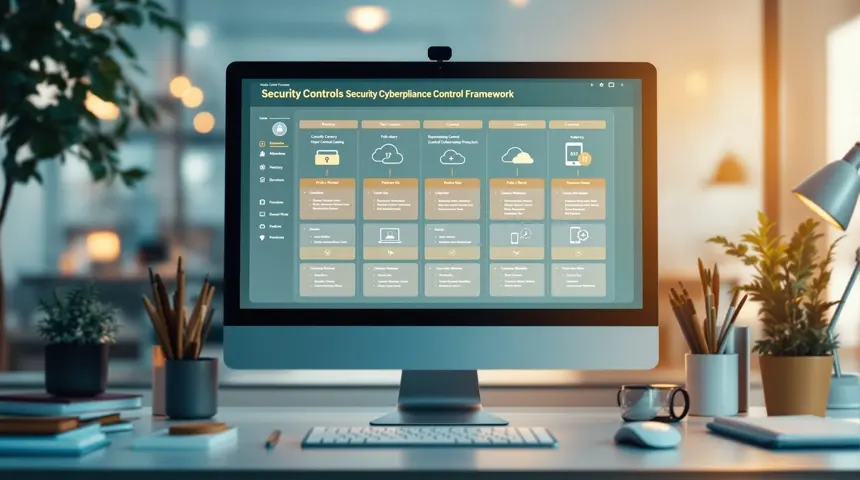
For years, the CIS Controls, maintained by the Center for Internet Security, were one of the most practical tools in security. A prioritized list of concrete actions, they told organizations what to do first, without the abstraction of some other frameworks. In May 2021, the Center released version 8, the first major revision in several years, and it reflected a profound shift in how organizations actually operated. The perimeter-based assumptions of earlier versions no longer matched a world of cloud services, mobile devices, and a remote workforce. Here is what changed and why it mattered.
From on-premises to everywhere
The defining change in CIS Controls v8 was a move away from the assumption that an organization's systems live behind a corporate perimeter. The previous version was organized around managing hardware and software inside the network. Version 8 recognized that enterprise assets now include cloud services, software-as-a-service applications, mobile devices, and the home networks of remote workers. The controls were reorganized around the reality that the organization's footprint extends far beyond its own walls, and that security has to follow the asset wherever it lives.
The move to activities over hardware
Another shift was a change in emphasis from managing specific devices to managing activities and data. Instead of focusing on inventorying hardware, version 8 emphasized understanding the organization's assets broadly and controlling what people do with them. This reflected the cloud reality, where organizations may not own or directly manage the infrastructure they depend on, but still carry the responsibility for protecting the data that flows through it. The change was subtle but important: security became less about the box and more about the behavior and the data.
The 18 controls, reorganized
Version 8 consolidated and reorganized the controls into 18, down from 20, and grouped them under three implementation groups representing increasing maturity. The reordering reflected new priorities, with account and access management elevated in importance and a stronger emphasis on data protection. The controls remained practical and prescriptive, which was always their strength, but the new structure better matched the cloud-first, remote-first world that organizations had been thrust into during the pandemic.
Where security awareness training fits
Security awareness and skills training has long been a core CIS Control, and it remained prominent in version 8. The control calls for establishing and maintaining a security awareness program that trains the workforce to recognize and report threats, and for developing the skills of the security team itself. In version 8, the emphasis on the human element fit naturally with the broader shift toward behavior and activity, because in a perimeterless world, the employee is often the first and most important line of defense. Training was no longer a peripheral control but a central one.
Why the update mattered for smaller organizations
The CIS Controls have always been especially valuable to organizations without large security teams, because they provide a clear, prioritized starting point. Version 8 preserved that value while modernizing it. For a small organization navigating cloud services and remote work, the controls offered a practical roadmap, starting with the basics of inventory, account management, and training, and building from there. The implementation groups made it possible to adopt the controls incrementally, which is exactly how most small teams actually operate.
A framework for the world as it had become
CIS Controls v8 was, in the end, a recognition that the world had changed and security frameworks had to change with it. The pandemic had accelerated a shift to cloud and remote work that was already underway, and the old perimeter model had stopped describing reality. By reorganizing around assets, data, and behavior, version 8 gave organizations a framework that matched how they actually worked, rather than how they used to. It was a quiet but significant update, and it set a direction that other frameworks would follow.
Related reading
All articles

Written by
The Simple Training Center Team
We build and run Simple Training Center. These articles come from our work making compliance and security training practical for small and mid-size teams. No guest posts, no fluff.
More from the teamPut it into practice
Reading is step one. Training is what keeps you compliant.
Turn these insights into action. Our role-based security training takes minutes to set up and gives every learner a verifiable certificate of completion.