CISA's 'Shields Up' and the Russia-Ukraine conflict: Why every organization went on alert
As the Russia-Ukraine conflict escalated in early 2022, CISA urged organizations to adopt a heightened cybersecurity posture. Here is what 'Shields Up' meant and what it taught about preparedness.
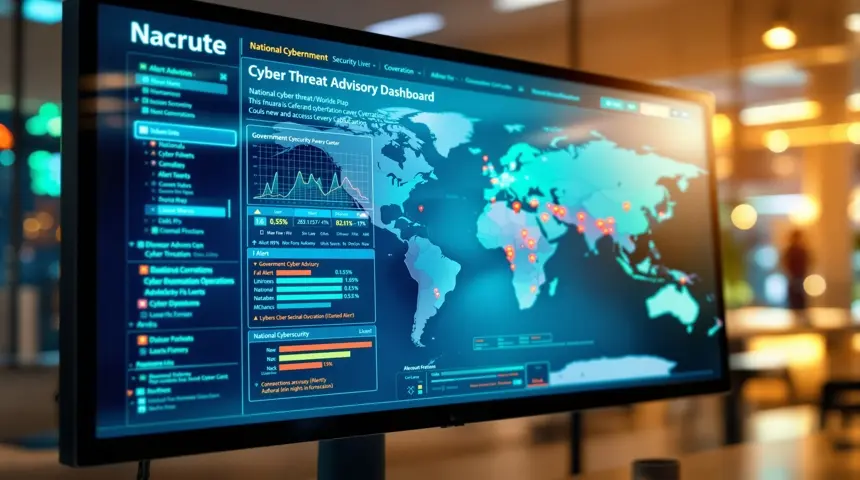
In early 2022, as the Russia-Ukraine conflict escalated, the United States Cybersecurity and Infrastructure Security Agency issued a blunt recommendation to every organization: adopt a heightened cybersecurity posture. The advisory, and the accompanying "Shields Up" campaign, urged organizations to lower the threshold for reporting suspicious activity, verify that critical controls were in place, and prepare for the possibility of disruptive cyberattacks. For many organizations, it was a wake-up call about how prepared, or unprepared, they actually were. Here is what "Shields Up" meant and what it taught.
What Shields Up actually asked for
Shields Up was not a single technical fix but a posture. CISA recommended several concrete steps: enable multi-factor authentication everywhere; validate that remote access was secured; ensure software and systems were patched; confirm that offline backups were in place and tested; and lower the bar for reporting anything suspicious. The emphasis was on readiness rather than a specific threat, because the nature of the risk was uncertain. The message was that organizations should not wait to find out whether they were a target before getting their controls in order.
Why the conflict raised the stakes
The Russia-Ukraine conflict brought the risk of state-sponsored and state-aligned cyber activity into sharp focus. There was real concern that attacks could spill beyond the immediate combatants, either through direct targeting of organizations in allied countries or through hacktivist activity loosely aligned with one side. Disruptive attacks, including wipers and distributed denial of service, had already been observed. The uncertainty meant that organizations of all sizes, not just critical infrastructure, had reason to review their defenses.
The human factor in a heightened posture
Amid the technical recommendations, the human element was central. Heightened alertness is only useful if employees know what to look for and how to report it. Shields Up explicitly asked organizations to make sure their people understood the reporting process and were empowered to flag anything unusual. This reinforced a standing truth in security: during periods of elevated threat, the workforce is not a bystander but a sensor network. Employees who notice and report quickly give the organization its earliest warning.
What many organizations discovered
The Shields Up moment forced a self-assessment that many organizations had been avoiding. Some found that multi-factor authentication was not actually enforced everywhere they thought it was. Others found that their backups had not been tested, or that their patching had fallen behind. Still others realized they had no clear way to tell employees what to do during an elevated threat period. The value of the advisory was not that it introduced new concepts, but that it prompted organizations to verify whether their existing controls actually worked.
Preparedness as an ongoing discipline
The deeper lesson of Shields Up was that readiness cannot be switched on at the last minute. Organizations that had maintained their controls, kept their training current, and rehearsed their incident response were able to shift posture quickly. Those that had let things lapse faced a scramble. Preparedness, it turned out, was not something to summon in a crisis, it was a discipline to maintain continuously, so that raising the bar was a matter of days rather than months.
What to carry forward
Even as the immediate urgency of early 2022 faded, the Shields Up lessons remained. The controls it emphasized, multi-factor authentication, patching, backups, and a trained workforce that reports promptly, are the same controls that matter in every threat environment. Organizations that used the moment to get their basics in order were better positioned not just for geopolitical conflict, but for the routine threats that never stopped coming. The advisory was a reminder that security fundamentals are, in the end, what resilience is built on.

Related reading
All articles

Written by
The Simple Training Center Team
We build and run Simple Training Center. These articles come from our work making compliance and security training practical for small and mid-size teams. No guest posts, no fluff.
More from the teamPut it into practice
Reading is step one. Training is what keeps you compliant.
Turn these insights into action. Our role-based security training takes minutes to set up and gives every learner a verifiable certificate of completion.